Duct Cleaning Facts: Does Your Home Really Need It?
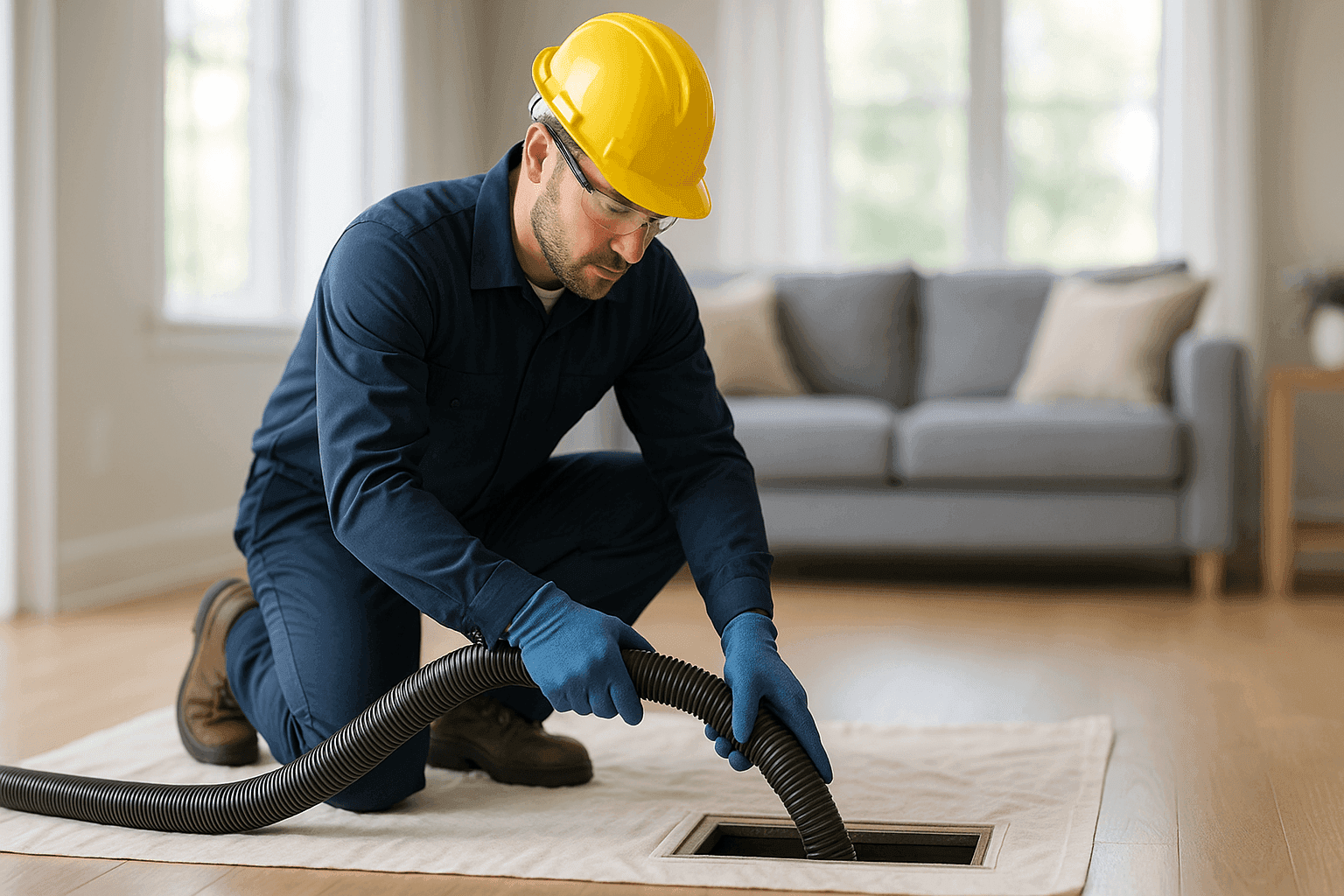
Is duct cleaning really worth it, or just another home service hype? Maybe you’ve noticed dust puffs when your AC kicks in, or you’re sneezing more than usual. Or maybe a pushy flyer claimed your ducts are “dangerous.” At Ash Joe’s Cooling & Heating, we get it: you want honest answers, not scare tactics.
We’ve seen it all—neglected vents, allergy flare-ups, and folks who waited too long. We’re here to set the record straight, so you can make decisions with clarity and confidence. Let’s dig into what matters most for your home and your air.
What Is Duct Cleaning? 🌀
Imagine your home’s ductwork as its lungs. Over time, dust, dander, and even bits of drywall or insulation can settle inside. Duct cleaning is the process of removing that buildup using special vacuums, brushes, and sometimes safe sanitizing agents.
It’s not just a quick sweep. A proper job means reaching deep into every branch and return, not just the visible vents. Certified pros—like our team at Ash Joe’s Cooling & Heating—follow NADCA (National Air Duct Cleaners Association) standards, using tools designed to loosen and capture debris, not just stir it up.
Done right, duct cleaning can improve airflow and reduce contaminants. Done wrong, it’s just blowing dust around—or worse, damaging your ductwork.
Signs Your Ducts Need Attention
How do you know if your air ducts are calling for help? Here are some red flags:
- Dust clouds blowing from vents whenever the system starts
- Unexplained or persistent allergies, headaches, or sinus issues indoors
- Musty, stale, or “old house” odors that linger even after cleaning the house
- Visible mold growth inside ducts, on vents, or insulation
- Evidence of rodent or insect infestations in ductwork
- Recent major renovations (drywall, flooring, etc.) that may have sent debris into the ducts
- Uneven heating or cooling—one room always stuffy, another always cold
If you spot any of these, it’s time to investigate. A quick visual check won’t tell the full story—sometimes the worst buildup hides deep inside.
Health & Efficiency Benefits
Clean ducts do more than just look good. Here’s what you and your family can expect:
- Cleaner Air: Removing dust, pollen, and pet dander means less for your lungs to filter.
- Reduced Allergens: The American Lung Association notes that cleaner ducts can help families with allergies or asthma.
- Better Efficiency: Dusty ducts make your HVAC system work harder, which can mean higher bills and more wear.
- Odor Removal: Persistent smells—smoke, pet, or musty odors—can linger in ductwork. Cleaning helps freshen the whole house.
- Peace of Mind: Knowing your home’s “lungs” are clear adds comfort, especially if you’ve dealt with flooding or pests.
But let’s be clear: duct cleaning isn’t a cure-all. If there’s an underlying mold, moisture, or insulation issue, those need to be fixed too.
How the Process Works
Let’s break down what actually happens during a professional duct cleaning:
- Inspection: Certified techs use cameras or mirrors to look inside ducts and assess the situation.
- Setup: Large, specialized vacuums connect to your duct system to create negative pressure (think: a giant shop vac for your house’s airways).
- Agitation: Tools like brushes, air whips, and compressed air snakes dislodge debris. This process is thorough—every branch, nook, and cranny is covered.
- Capture: All loosened dust and gunk gets pulled out through HEPA-filtered vacuums, so nothing ends up floating around your home.
- Final Check: Techs double-check the system, often showing you before-and-after photos so you can see the difference.
What about sanitizers? If there’s been mold, some companies use EPA-registered products. But these must be used with caution and only when necessary.
Before/After Results: A clean duct interior looks smooth and metallic, not fuzzy or caked in debris. Many customers are shocked by the “before” photos—and relieved by the “after.”
How Often to Clean Ducts
There’s no universal rule, but here’s what the U.S. Environmental Protection Agency (EPA) and industry standards recommend:
- Every 3–5 years for most residential homes
- More often if you have pets, allergies, live in a dusty area, or have had recent construction
- Immediately after flooding, fire, or suspected contamination
Don’t let anyone pressure you into annual cleanings “just because.” Instead, base the timing on real need—visible buildup, health issues, or after major events.
Cost Overview 💲
Duct cleaning isn’t a one-size-fits-all service. Costs depend on the size of your home, the number of vents, the system’s accessibility, and the extent of buildup. Here’s what typically factors in:
- Number of supply and return vents
- Accessibility of ductwork (crawlspaces, attic, etc.)
- Condition of ducts (damaged or contaminated ducts may require repairs or replacement)
- Severity of contamination (mold, pests, or extreme buildup)
- Additional services (like dryer vent cleaning or sanitizer application)
Ballpark ranges: Prices usually run from a few hundred to over a thousand dollars for large homes, but always get a detailed, written estimate. Beware of “too good to be true” deals—these are often bait-and-switch scams, where the advertised price covers only a quick vacuum and not a real cleaning.
At Ash Joe’s Cooling & Heating, you’ll receive transparent pricing, a full breakdown of what’s included, and no surprise charges.
Common Misconceptions & Scams
Let’s clear the air—literally and figuratively:
-
Myth: Duct cleaning is needed every year.
Fact: Unless you have specific health or contamination concerns, 3–5 years is sufficient for most homes. -
Myth: Cleaning ducts will solve all allergy problems.
Fact: It helps, but other sources (carpet, bedding, outdoor air) matter too. -
Myth: All duct cleaners are the same.
Fact: Only hire NADCA-certified pros with real references, not just the lowest price.
Watch out for:
- “Blow-and-go” cleaners who skip deep cleaning and rush the job
- High-pressure sales tactics about “deadly mold” without proof
- Quotes that jump dramatically once they’re in your home
NADCA Standards: Why They Matter
The National Air Duct Cleaners Association (NADCA) sets the gold standard for safe, effective duct cleaning. Certified companies must:
- Use proper containment and HEPA-filtered vacuums
- Inspect and clean the entire system, not just registers
- Follow strict protocols for dealing with mold or hazardous materials
- Provide clear before-and-after documentation
Our certified team at Ash Joe’s Cooling & Heating trains to these standards, so your home is in good hands.
What to Expect: Before & After
Before: You might see dust bunnies, pet hair, and even construction debris. Sometimes, it’s worse—mold or evidence of pests.
After: Duct interiors should be clean, metallic, and free of visible debris. Airflow improves, and many customers report fresher-smelling homes and reduced dust.
Here’s what a recent customer shared:
“We were shocked at what the tech found—old insulation, pet hair, even a toy car! After cleaning, the air felt lighter, and our allergies improved almost overnight. The team showed us everything before and after, so we could see the difference.”
— The Martin Family
Practical Tips for Homeowners
- Change your HVAC filters regularly—every 1–3 months depending on usage and pets.
- Schedule annual HVAC maintenance to catch potential issues early.
- If you see mold or suspect water leaks, address the source first, then clean the ducts.
- Avoid spraying chemicals or fragrances into vents—these can worsen air quality.
- Use high-quality filters and consider IAQ (Indoor Air Quality) testing for peace of mind.
How to Spot a Real Need vs. Hype
Ask yourself:
- Are there visible signs of dust, debris, or mold at the vents?
- Has there been recent remodeling, water damage, or pest infestation?
- Are allergies or respiratory symptoms worse at home?
- Is your HVAC system working harder or less efficiently?
If the answer is “yes” to any, it’s worth a closer look. If not, routine filter changes and system checks may be enough.
Choosing the Right Duct Cleaning Company
- Certification: Look for NADCA affiliation.
- Transparency: Detailed estimates and clear explanations.
- References: Real customer testimonials and reviews.
- Equipment: Professional-grade vacuums, not household shop-vacs.
- Insurance: Proper coverage for your protection.
At Ash Joe’s Cooling & Heating, our certified techs arrive on time, walk you through every step, and treat your home with respect.
When Is Duct Cleaning an Emergency?
Most of the time, duct cleaning isn’t an “emergency hvac” call. But there are situations when you need help—fast:
- Sudden, severe mold growth after flooding or water damage
- Major pest infestation impacting air quality
- Dramatically reduced airflow or strange odors that won’t dissipate
- After a fire or smoke event in the home
In these cases, don’t wait. Poor air quality can be a serious health risk, especially for children, seniors, or anyone with respiratory issues.
FAQ: Duct Cleaning Edition
Q: Will duct cleaning lower my energy bill?
A: If your system is clogged with dust or debris, cleaning can help your HVAC run more efficiently—sometimes enough to notice a difference.
Q: Can I clean ducts myself?
A: While you can vacuum registers and replace filters, reaching deep inside ducts requires special equipment best handled by certified pros.
Q: Does cleaning ducts reduce dust in my home?
A: Yes, but only as part of a larger routine—regular cleaning, filter changes, and controlling outside sources matter too.
Q: Is duct cleaning safe for my HVAC system?
A: When performed by trained technicians using the right tools, yes. Avoid DIY or untrained cleaners who could damage delicate ductwork.
Local & Seasonal Considerations
- In regions with heavy pollen, wildfires, or dust storms, clean ducts may be more important for breathing easy.
- After winter, especially in humid climates, check for mold or musty odors.
- If you use your furnace or AC year-round, schedule HVAC maintenance (including possible duct inspection) before peak seasons.
The Bottom Line
Duct cleaning isn’t for everyone, and it’s not a silver bullet for all indoor air woes. But when it’s needed, it can make a real difference for health, comfort, and system performance. The key is knowing when—and whom—to trust.
Our certified team at Ash Joe’s Cooling & Heating brings experience, transparency, and care to every job. No scare tactics. Just clear answers.
Call Ash Joe's Cooling & Heating now — or reach us anytime at 888-854-9575 .