How to Extend the Lifespan of Your HVAC System: Expert Maintenance Tips
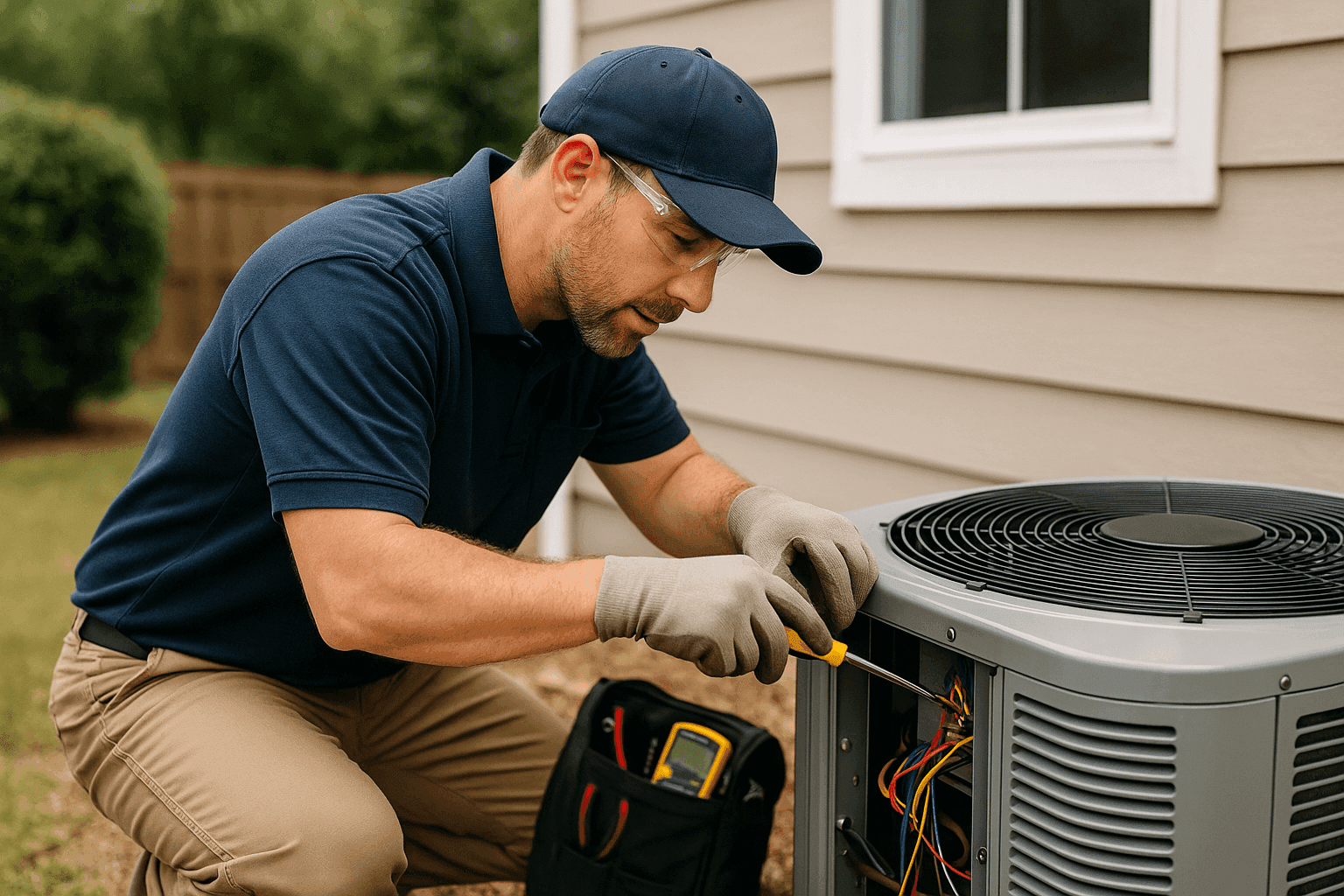
Stuffy rooms. Sky-high energy bills. That sinking feeling when your heat or AC sputters out at the worst moment. If you’ve ever faced an unexpected HVAC breakdown, you know how disruptive it can be. At Ash Joe’s Cooling & Heating, we see it every day—homeowners and small business owners left in the lurch, sometimes in the middle of the night.
Your HVAC system is the silent workhorse of your space, keeping things comfortable through sweltering summers and bone-chilling winters. But, like any machine, it needs regular care to go the distance. Let’s talk about how you can keep your system humming for years to come—and avoid those frantic emergency hvac calls.
Why HVAC Longevity Matters 🕰️
Think of your HVAC system like a car engine. Ignore oil changes, and you’re asking for trouble. With regular maintenance, you get more miles, fewer breakdowns, and lower costs over time. The same goes for your heating and cooling equipment.
A well-maintained HVAC system:
- Runs more efficiently, saving you money on energy bills.
- Delivers better indoor air quality for your family or staff.
- Reduces the risk of sudden, costly repairs.
- Lasts years longer, delaying expensive replacements.
The U.S. Department of Energy recommends annual professional maintenance for most systems. It’s not just about comfort—it’s about protecting your investment.
Seasonal Maintenance Checklist
Every season brings new demands for your HVAC system. Here’s what you should check as the months roll by:
Spring & Summer: AC in the Spotlight
- Change or clean filters every 1–3 months. Dirty filters suffocate your system.
- Clear outdoor units of leaves, grass, and debris. At least two feet of clearance is best.
- Check thermostat settings for accuracy and comfort.
- Inspect condensate drain lines for clogs that can cause water damage.
- Listen for odd noises—rattles, squeals, or grinding.
- Test your system before the first big heat wave.
Fall & Winter: Heating Takes Over
- Replace furnace filters (again!)—it’s that important.
- Check carbon monoxide detectors to keep your space safe.
- Inspect exhaust vents and flues for blockages or rust.
- Look for uneven heating or cold spots.
- Schedule a professional tune-up for your furnace or heat pump.
Year-Round Essentials
- Keep vents and registers unblocked by furniture or drapes.
- Monitor energy bills for sudden spikes.
- Pay attention to air quality—musty odors or excess dust can mean trouble.
Common Warning Signs of Wear and When to Call a Pro
Your HVAC system will often whisper before it screams. Catching these early signs can save you from a big headache later:
- Strange noises (banging, screeching, or buzzing)
- Weak airflow or rooms that never seem to get comfortable
- Short cycling (system turns on and off too quickly)
- Unusual odors—burning, musty, or chemical smells
- Frequent tripped breakers or flickering power
- Visible leaks around indoor or outdoor units
If you notice any of these, don’t wait. Call a professional before a small issue becomes an emergency hvac situation.
DIY Tips vs. Professional Services
There’s plenty you can do to help your system, but some jobs are best left to the experts.
Safe DIY Maintenance
- Replace air filters regularly—one of the simplest, most effective steps.
- Keep outdoor units clear of debris and trim plants nearby.
- Vacuum vent covers and dust registers.
- Check thermostat batteries and settings.
When to Call a Pro
- Annual system tune-ups (per manufacturer and ENERGY STAR® guidelines)
- Refrigerant checks and refills—handling refrigerants requires EPA certification.
- Electrical or gas issues—never risk your safety.
- Duct cleaning or sealing—improper work can make things worse.
- Indoor air quality testing for allergens, mold, or carbon monoxide.
Professional technicians have the tools, training, and safety knowledge to spot problems you might miss. According to the Air Conditioning Contractors of America (ACCA), regular professional inspections can increase system lifespan and efficiency.
Emergency Preparedness: Minimizing Downtime During Storms or Freezes ⚡
Mother Nature doesn’t care about your comfort. Power outages, ice storms, and heat waves can all push your HVAC system to the limit. Here’s how to be ready:
- Install surge protectors for your HVAC and generator systems.
- Have a backup generator professionally installed and maintained.
- Know how to safely shut down your system if needed (ask your technician to show you).
- Keep emergency contacts handy for 24 hour emergency service.
- Stock up on filters and batteries for thermostats and detectors.
- Clear snow and ice from outdoor units after storms to prevent damage.
If your system goes down in extreme weather, call for emergency hvac help right away. Prolonged outages can cause frozen pipes, mold, and other costly damage.
Prevention & Maintenance: The Real Secret to Longevity
The best way to avoid emergencies? Prevent them. Here’s what a proactive maintenance plan looks like:
- Schedule professional inspections every spring and fall.
- Replace filters as recommended.
- Have your ductwork checked for leaks or buildup.
- Test indoor air quality—especially if anyone in your home has allergies or asthma.
- Review energy usage with a home energy audit.
- Upgrade thermostats to programmable or smart models for better control.
Regular maintenance isn’t just a checklist—it’s peace of mind. The National Air Duct Cleaners Association (NADCA) and the Occupational Safety and Health Administration (OSHA) both emphasize the importance of routine inspections for safety and efficiency.
Costs & Time Factors
How much time and money should you plan for HVAC care? Here’s what to expect:
- DIY filter changes: 5–10 minutes, just the cost of the filter.
- Professional maintenance visits: Usually 1–2 hours, with costs varying by system type and age.
- Repairs: Minor fixes may take under an hour; major repairs or installations can take several hours or more.
- Emergency service: Fast response is key, but expect higher costs for after-hours or urgent calls.
Remember, investing in maintenance now can save you thousands later by avoiding premature replacements and emergency repairs.
When It’s an Emergency
Not every HVAC issue can wait. Here’s when to call for emergency hvac service—no hesitation:
- No heat in freezing weather
- No cooling during extreme heat
- Suspected gas leaks or carbon monoxide alarms
- Electrical burning smells or visible sparks
- Flooding or major leaks around your system
- System won’t turn on, and troubleshooting doesn’t help
Safety always comes first. If you ever feel unsure, it’s better to call and check than risk your health or property.
FAQ: Common Questions About HVAC Longevity
How often should I replace my HVAC filters?
Most homes and businesses should replace filters every 1–3 months. If you have pets, allergies, or high usage, check more often.
Is professional maintenance really necessary?
Yes. DIY care helps, but a trained technician can spot hidden issues, test safety controls, and keep your system running efficiently.
Can I do my own duct cleaning?
Light dusting is fine, but deep cleaning and sealing should be left to certified professionals to avoid damaging your ductwork or spreading contaminants.
What’s the average lifespan of an HVAC system?
With regular maintenance, most systems last 10–15 years. Some components, like thermostats or air scrubbers, may last longer or need earlier replacement.
Special Considerations for Your HVAC System
Every home and business has unique needs. If you have special equipment—like geothermal systems, radiant heating, whole-house fans, or advanced air quality gear—be sure your technician is trained on those systems. At Ash Joe’s Cooling & Heating, our team stays up-to-date with the latest industry standards (including EPA and ASHRAE guidelines) to ensure safe, efficient service for all types of HVAC equipment.
If you manage a small business, don’t forget about the added load from kitchen hoods, exhaust systems, or high-traffic areas. These require extra attention to keep your environment safe and comfortable.
Ready to give your HVAC system the care it deserves? Call Ash Joe's Cooling & Heating now — or reach us anytime at 888-854-9575 .