How Much Does HVAC Repair Cost? Homeowner’s 2024 Guide
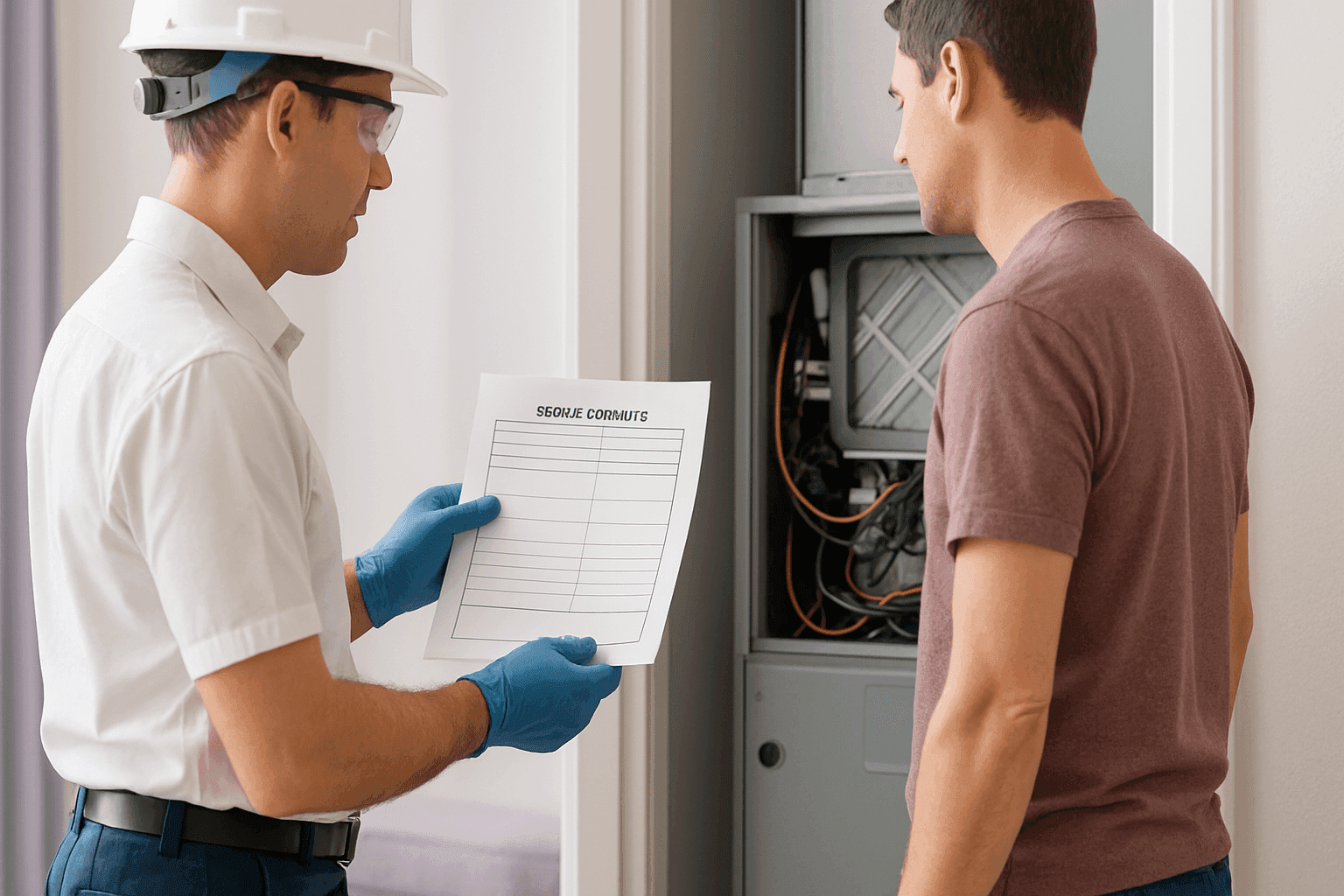
When your heating or cooling system sputters out, the timing never feels right. Suddenly, you’re left with two worries: how fast can it be fixed, and what’s it going to cost?
At Ash Joe’s Cooling & Heating, we get these questions every day. HVAC repair costs can be confusing, especially when the temperature outside feels like a dare. This guide arms you with straight answers—because budgeting for comfort shouldn’t be a mystery.
Typical Repair Costs by System Type 🔧
Every home is unique, and so is every heating or cooling system. But most repairs fall into predictable ranges. Here’s what homeowners can expect for common system types:
Central Air Conditioners
- Minor fixes (like capacitor or contactor replacement): $125–$350
- Major repairs (compressor or coil issues): $600–$2,000
Furnaces
- Ignitor, flame sensor, or thermostat replacement: $150–$400
- Blower motor or heat exchanger repair: $500–$1,500
Heat Pumps
- Refrigerant recharge or sensor repair: $200–$600
- Compressor or reversing valve replacement: $800–$2,500
Ductless Mini-Splits
- Control board or sensor problems: $200–$700
- Refrigerant leaks or compressor issues: $700–$2,000
These are not quotes—think of them as the “weather forecast” for your wallet. The final cost depends on what your system needs (and how quickly).
What Influences Repair Pricing?
HVAC repair is a lot like fixing a car. The price tag depends on more than just parts.
Parts
- Availability: Some brands or older models have pricier or harder-to-find parts.
- Complexity: A simple filter swap costs less than a new blower motor.
Labor
- Skill required: Specialized repairs (like geothermal or radiant heating) take more time and expertise.
- Location: Tight crawlspaces, attics, or multi-story homes can bump up labor hours.
Urgency
- Emergency hvac repairs outside regular hours—nights, weekends, or holidays—often come with a premium. At Ash Joe’s, we tell you upfront, every time.
Brand & System Age
- Premium brands: Some parts cost more, and warranty coverage varies.
- Older systems: Repairs may take longer, and parts may be discontinued.
Signs You May Need a Repair
Sometimes, your system shouts for attention. Other times, it whispers. Here’s what to watch for:
- Noisy operation: Grinding, banging, or whistling sounds.
- Weak airflow: Rooms that never seem to get comfortable.
- Strange smells: Musty, burnt, or chemical odors from vents.
- Frequent cycling: System turns on and off too often.
- Unexplained spikes in energy bills.
- Thermostat not responding or showing error codes.
If you notice any of these, don’t wait for a complete breakdown.
How to Avoid Surprise Bills 💡
The best way to keep repair costs down is to prevent the big ones. Here’s how:
- Regular maintenance: Schedule seasonal checkups—think of them like oil changes for your HVAC.
- Change filters: Every 1–3 months, depending on system and usage.
- Seal and insulate: Well-sealed ducts and good insulation reduce system strain.
- Check your warranty: Many systems have coverage for parts, labor, or both. Know what’s included before you call.
- Keep records: Track repairs and maintenance for future reference (and home resale value).
Ask your tech for a breakdown of costs before any work begins—at Ash Joe’s, we believe in transparent pricing with no surprise fees.
Cost Comparison: What Should You Budget For?
Here’s a quick reference for budgeting 2024 repairs. Remember, these are general ranges:
- AC Repairs: $150–$2,000
- Furnace Repairs: $150–$1,500
- Heat Pump Repairs: $200–$2,500
- Mini-Split Repairs: $200–$2,000
Emergency hvac service or specialty services (like Air Balancing near you, or advanced IAQ Testing) may be higher, especially after hours.
Checklist: Getting Accurate Estimates
Before you hire anyone, use this checklist to avoid headaches:
- Write down the system make/model and age.
- Note symptoms (noises, smells, error codes).
- Ask for a written estimate with parts and labor clearly listed.
- Check if diagnostic fees apply or are credited if you proceed.
- Clarify emergency/after-hours rates.
- Ask about warranty and maintenance plan options.
- Confirm technician certifications (look for NATE, EPA, or state licensing).
FAQ
How quickly can repairs be done?
Many repairs can be completed same-day, especially with 24 hour emergency hvac service. Delays may occur if specialized parts are needed.
Is it better to repair or replace my HVAC?
If repairs approach 50% of the cost of a new system (or your system is over 12–15 years old), replacement may make more financial sense. A home energy audit can help you decide.
What if my repair isn’t covered by warranty?
You’re responsible for out-of-warranty costs, but routine maintenance often prevents expensive failures. Always check your paperwork.
Can I get a ballpark estimate over the phone?
A basic range is possible, but an on-site diagnosis is needed for accuracy. Systems are like snowflakes—no two problems are exactly alike!
Local/Seasonal Considerations 🌦️
Repair costs can fluctuate by season. Emergency hvac calls spike during heat waves and cold snaps—meaning busier schedules and, sometimes, higher rates. In humid areas, dehumidifiers or air scrubbers may need extra attention. In older homes, duct cleaning or sheet metal repairs are more common. Always factor your regional climate and home age into your maintenance plan.
HVAC repair doesn’t have to be a guessing game. Whether you need AC repair, furnace work, or just want a second opinion, Ash Joe’s Cooling & Heating is here—with clear pricing, 24/7 emergency hvac, and friendly pros who treat your home like their own.
Call Ash Joe's Cooling & Heating now — or reach us anytime at 888-854-9575 .