How to Improve Indoor Air Quality Year-Round: A Homeowner’s Guide
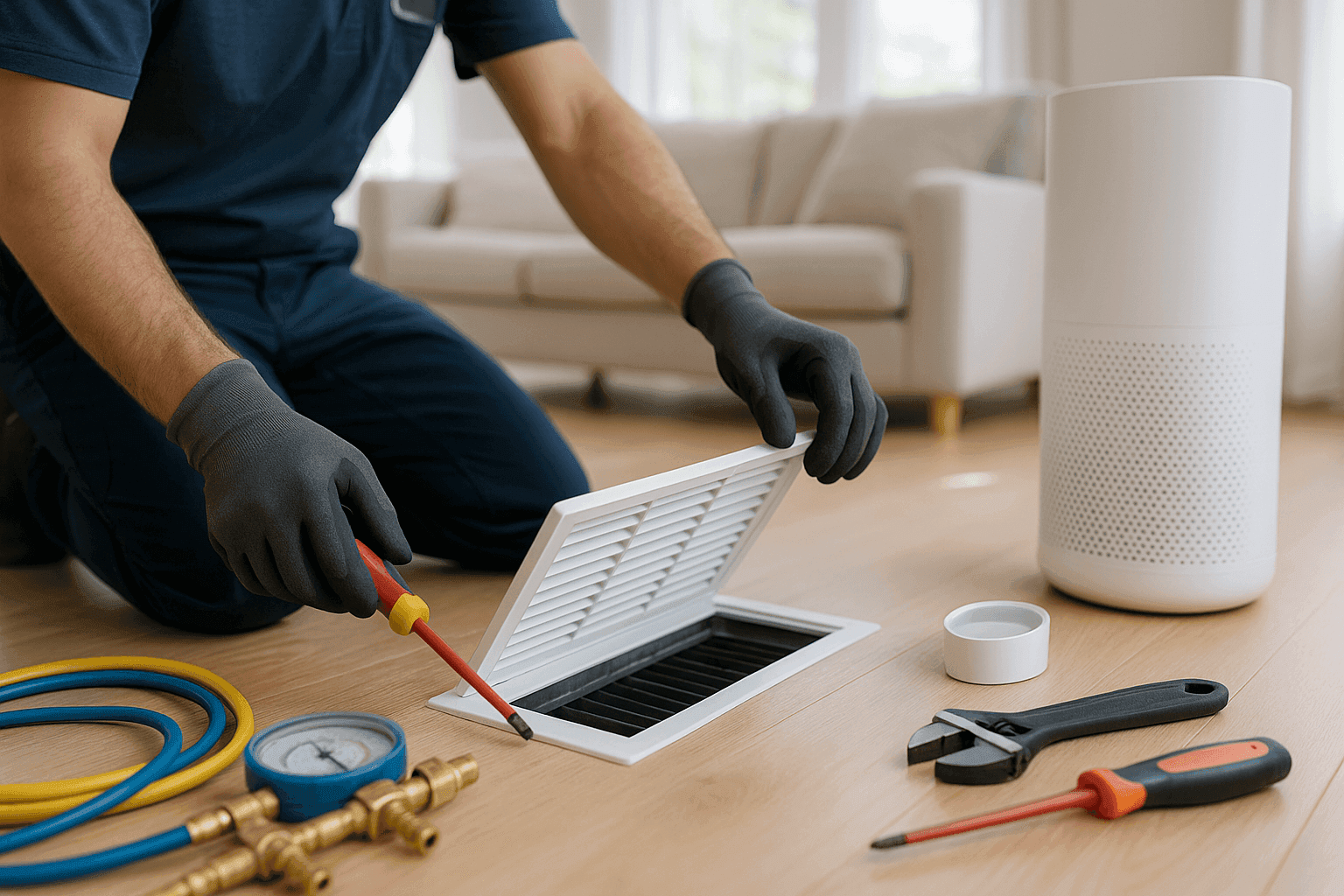
When you walk into your home, do you ever think about the air you’re breathing? Most people don’t—until something feels off. Maybe it’s stuffiness, a lingering odor, or allergy symptoms that just won’t quit. The truth is, indoor air quality (IAQ) can make or break your comfort and health.
At Ash Joe’s Cooling & Heating, we know how fast a simple air issue can turn into a real emergency. Our team has seen it all, from dusty vents to sudden system breakdowns in the middle of the night. Let’s walk through how to keep your air clean and safe, every month of the year.
Why Indoor Air Quality Matters
Think of your home as a pair of lungs. Every breath you take fills those “lungs” with whatever’s floating around: dust, pollen, pet dander, even invisible chemicals from cleaning products or building materials. According to the Environmental Protection Agency (EPA), indoor air can be two to five times more polluted than outdoor air. That means what you can’t see could be affecting your sleep, your focus, and your family’s well-being.
Poor IAQ doesn’t just cause sneezing fits. It can trigger asthma, worsen allergies, and even lead to headaches or fatigue. In businesses, bad air can lower productivity and morale. That’s why improving air quality isn’t just a “nice to have”—it’s essential.
Quick Safety Checklist for Cleaner Air 🛑
Before diving deep, here’s a fast checklist to keep your home or business breathing easy:
- Change air filters every 1–3 months, or as recommended by your HVAC manufacturer.
- Keep vents and returns clear of furniture, curtains, or boxes.
- Use exhaust fans in kitchens and bathrooms to remove moisture and odors.
- Check for visible mold on walls, ceilings, or around vents.
- Test carbon monoxide detectors and replace batteries regularly.
- Vacuum and dust with a HEPA-filtered vacuum at least weekly.
- Avoid smoking indoors and limit use of harsh chemical cleaners.
These steps are your first line of defense. But sometimes, the problem goes deeper.
Common Indoor Air Pollutants: What’s Lurking Inside?
Not all air problems are obvious. Some are like unwelcome houseguests—quiet, but stubborn.
- Dust mites: Thrive in bedding, carpets, and upholstery.
- Pet dander: Even short-haired animals shed tiny, allergy-triggering particles.
- Mold spores: Love damp areas—think basements, bathrooms, or inside ducts.
- Volatile Organic Compounds (VOCs): Released by paints, new furniture, cleaners, and some plastics.
- Pollen: Sneaks in through open windows and on clothing.
- Bacteria and viruses: Can circulate through HVAC systems.
- Smoke and cooking fumes: Linger in the air, especially in poorly ventilated spaces.
The more you know about what’s in your air, the better you can tackle it.
DIY vs. Call a Pro: When to Take Action
Changing a filter? That’s a DIY win. But if you notice persistent odors, visible mold, or unexplained health symptoms, it’s time to call in the cavalry.
DIY fixes:
- Swap out filters on schedule.
- Run dehumidifiers in damp areas.
- Keep windows cracked for fresh air (when outdoor air is clean).
- Clean vents and registers with a vacuum.
Call a professional if:
- You spot mold inside ducts or on HVAC components.
- There’s a sudden spike in allergies or respiratory issues.
- The HVAC system cycles on and off constantly, or won’t keep up.
- You notice burning smells, electrical issues, or water leaks.
- You want a thorough indoor air quality test or duct cleaning.
Remember, some problems—like hidden mold or electrical faults—can get worse fast. Emergency HVAC help is just a call away.
What the Pros Do On Arrival
When Ash Joe’s Cooling & Heating shows up, we’re not just there to swap a filter. Here’s what a professional IAQ visit can look like:
Step 1: Listen and Inspect
We ask about symptoms, recent changes, or concerns. Then we visually inspect HVAC units, vents, filters, and accessible ductwork.
Step 2: IAQ Testing
Using industry-grade monitors, we check for:
- Humidity levels
- Particulate matter (PM2.5 and PM10)
- Carbon monoxide and dioxide
- VOC concentrations
- Temperature fluctuations
This gives us a clear picture of your air’s “vital signs.”
Step 3: System Assessment
We examine:
- Filter type and fit
- Condition of coils and blower
- Signs of leaks, rust, or blockages
- Airflow and balance between rooms
If needed, we recommend duct cleaning, air scrubbers, or other solutions.
Step 4: Action Plan
You’ll get clear, simple recommendations—no jargon, just steps you can understand. We’ll explain what needs urgent attention and what can be scheduled.
Prevention & Maintenance: Keeping Air Fresh Year-Round 🌱
Think of IAQ maintenance like brushing your teeth. Skip it, and problems multiply. Here’s how to keep things running smoothly:
Regular HVAC Maintenance
- Schedule professional tune-ups twice a year (before heating and cooling seasons).
- Check refrigerant levels and electrical connections for safety.
- Clean coils and blower assemblies to prevent dust buildup.
Duct Cleaning
- Have ducts inspected and cleaned every 3–5 years, or sooner if you notice dust, pests, or mold.
- Seal leaks to prevent dust and pollutants from sneaking in.
Air Filters: The Unsung Heroes
- Use the right filter for your system. High-efficiency particulate air (HEPA) filters trap finer particles but may require system upgrades.
- Change filters more often if you have pets, allergies, or construction nearby.
Air Scrubbers & Purifiers
- Install air scrubbers or UV lights to zap bacteria, viruses, and VOCs.
- Portable air purifiers can help in high-use rooms or offices.
Humidifiers & Dehumidifiers
- Maintain 30–50% humidity to discourage mold and dust mites.
- Whole-house humidifiers add moisture in winter, while dehumidifiers pull excess dampness in summer.
Proper Ventilation & Air Balancing
- Ensure fresh air intake is working and not blocked.
- Balance airflow so every room gets equal comfort—no more hot or cold spots.
Filters & Accessories
- Upgrade to pleated or electrostatic filters for better particle capture.
- Consider carbon filters to reduce odors and chemicals.
IAQ Testing
- Schedule annual IAQ assessments for peace of mind, especially if you have health concerns or recent renovations.
Costs & Time Factors: What to Expect
Good air doesn’t have to break the bank, but it’s worth an investment. Here’s a general idea:
- Filter replacements: Quick and affordable—usually a few minutes and minimal cost.
- Professional duct cleaning: Takes a few hours; cost depends on home size and duct condition.
- IAQ testing: Often completed in an hour, with results and recommendations the same day.
- System upgrades (humidifiers, air scrubbers): Installation can range from a couple of hours to a full day, depending on complexity.
Remember, skipping maintenance can lead to bigger, costlier repairs down the line. And poor air quality can have hidden costs—missed workdays, doctor visits, or lost productivity.
When It’s an Emergency 🚨
Some air quality issues can’t wait. Call emergency HVAC help if you notice:
- Burning smells or signs of electrical problems from your HVAC unit.
- Water leaks or pooling around your furnace or AC.
- Sudden loss of heat or cooling—especially during extreme weather.
- Carbon monoxide alarms going off—leave the area immediately and call for help.
- Visible mold growth spreading rapidly.
Ash Joe’s Cooling & Heating offers 24-hour emergency service. We’re ready when you need us most.
Frequently Asked Questions
How often should I change my air filter?
Most homes need a new filter every 1–3 months. If you have pets, allergies, or run your system often, check it monthly.
Will duct cleaning really help my allergies?
Yes—if your ducts are full of dust, mold, or dander, cleaning can make a big difference. But it’s just one piece of the puzzle.
What’s the best way to control humidity?
A whole-house humidifier or dehumidifier, installed by a pro, keeps levels steady. Portable units help in small spaces, but can’t match the consistency.
Are air purifiers worth it?
For many homes and small businesses, yes. Especially if you have allergies, pets, or want extra protection against bacteria and viruses.
Special Considerations for Year-Round IAQ
Every season brings its own challenges.
- Winter: Heating dries out the air, which can irritate skin and lungs. Humidifiers help.
- Spring: Pollen spikes—change filters often and keep windows closed on high pollen days.
- Summer: Humidity rises. Run dehumidifiers and AC to keep mold at bay.
- Fall: Dust and debris from leaf blowers or yard work can sneak inside—clean filters and ducts before firing up the heat.
If you’ve renovated, added pets, or notice new symptoms, schedule an IAQ test. And always follow manufacturer instructions and safety codes, like those from ASHRAE and the EPA.
Call Ash Joe's Cooling & Heating now — or reach us anytime at 888-854-9575 .