Indoor Air Quality Solutions: Protect Your Family Year-Round
Your home is your haven. But what if the air inside isn’t as safe as you think? Dust, chemical fumes, and stuffy rooms—these all lurk quietly behind closed doors. And when family health is at stake, waiting to act isn’t an option.
At Ash Joe’s Cooling & Heating, we see firsthand how invisible air problems can snowball into real concerns. We handle emergency hvac calls day and night, so we know what works and what doesn’t. Here’s a guide to help you breathe easier, make smart choices, and protect your loved ones year-round.
Why IAQ Matters 🏠
Indoor Air Quality (IAQ) is more than a buzzword. It’s the air your family breathes every single day. Think of your home as a fishbowl—everything that enters stays swirling around unless you clean and refresh it.
What Pollutes Indoor Air?
- Dust and Pet Dander: The everyday stuff you sweep up, floating around unseen.
- Volatile Organic Compounds (VOCs): Emitted from paints, cleaning supplies, and some furniture.
- Humidity Extremes: Too much leads to mold; too little can dry out skin and sinuses.
- Seasonal Allergens: Pollen, wildfire smoke, and even bacteria during flu season.
- Poor Ventilation: Traps all these pollutants inside, compounding the problem.
The Health Impact
- Sneezing, coughing, or watery eyes could be indoor air warning signs.
- Headaches, fatigue, or even trouble sleeping are subtle clues.
- Long-term exposure? It can worsen allergies, asthma, and even heart or lung conditions (see sources like the EPA and American Lung Association).
Signs of Poor Air: What Should You Look For?
Your body is often the first alarm. If you notice these clues, your IAQ may need help:
- Family members get sick more often or recover slowly.
- Dust builds up faster than you can clean.
- Musty or chemical smells linger.
- Windows sweat or show signs of mold.
- You wake up with a scratchy throat or congestion.
Sometimes, the difference is as obvious as breathing fresh mountain air versus being stuck in a crowded elevator.
DIY Improvements: Small Steps, Big Difference
You don’t need fancy gadgets to start making a change. Here’s how you can pitch in right now:
- Change filters regularly: Every 1–3 months, depending on your HVAC system and household needs.
- Vacuum with HEPA filters: These catch more dust and dander before it circulates.
- Crack open windows: Let fresh air sweep out stale air—especially after cleaning or painting.
- Monitor humidity: Aim for 30–50%. Use a humidifier or dehumidifier as needed.
- Houseplants: Some varieties help absorb VOCs, though they aren’t a silver bullet.
These simple habits lay the groundwork for cleaner air. But sometimes, the problem runs deeper than a quick fix.
Pro Testing & Solutions: When To Call In Certified IAQ Specialists
Some issues require more than elbow grease. That’s when certified IAQ specialists step in with tools and solutions you can’t buy off the shelf.
What Pros Bring
- Professional IAQ Testing: Pinpoints hidden problems like carbon monoxide, radon, or high VOCs.
- Air Balancing Near You: Ensures each room gets the right airflow, so pollutants don’t settle in dead zones.
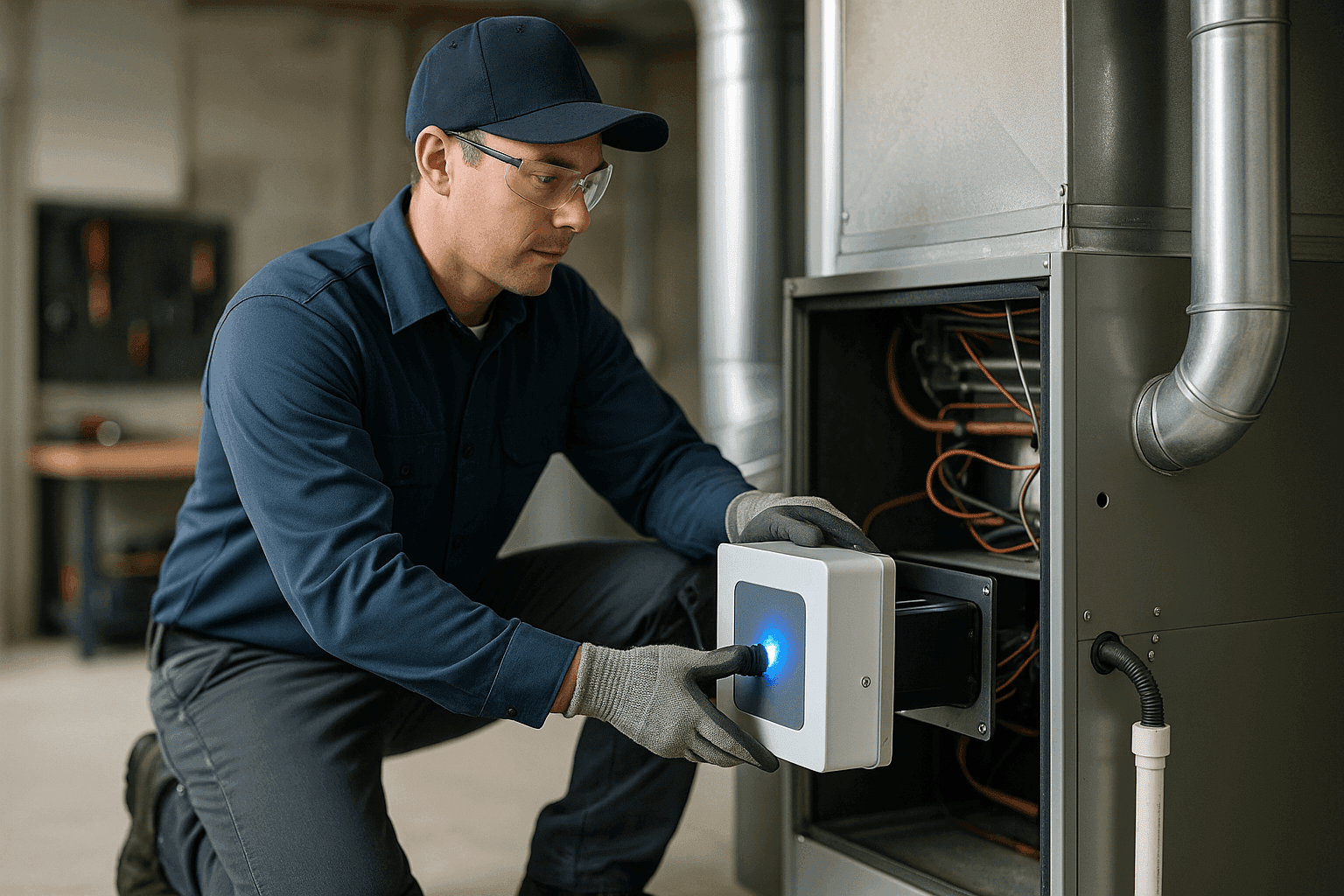
- Air Scrubbers: These advanced devices scrub particles, germs, and odors from your air.
- Duct Cleaning: Removes years of buildup to restore clean airflow.
- Filtration Upgrades: HEPA or electrostatic filters trap more than standard ones.
- Ventilation Improvements: Brings in fresh air and exhausts stale air.
Our technicians at Ash Joe’s Cooling & Heating are trained and certified—meaning we know building codes, safety guidelines (like those from the EPA and ASHRAE), and the best strategies for your home.
Real-World Story
A family in a newly renovated home called us after months of headaches and sore throats. Our IAQ testing found high VOCs from paint and new flooring. With targeted exhaust upgrades and air scrubbers, their symptoms disappeared within days.
Seasonal Strategies: Allergy, Flu, and Wildfire Smarts 🍃
Every season brings unique IAQ challenges. Thinking ahead keeps your family safer.
Spring & Summer
- Allergens: Pollen sneaks inside. Replace filters often and keep windows closed during high pollen counts.
- Humidity: Use dehumidifiers to keep mold at bay.
Fall
- Heating Prep: Have your furnace and ducts inspected before you fire up the heat. Dust and debris can burn off, releasing particles.
Winter
- Dry Air: Low moisture can irritate throats and skin. Humidifiers help, but don’t overdo it—too much breeds mold.
- Flu Season: Air scrubbers and high-efficiency filters can reduce airborne viruses.
Wildfire Smoke
- Seal Up: Close windows and doors, use air conditioners in recirculate mode.
- Portable Air Cleaners: Run in main living spaces, especially for children or elderly family members.
Certified IAQ Specialists: Why Credentials Matter 🛡️
Not all technicians are created equal. Certified IAQ specialists follow standards by organizations like the EPA, ASHRAE, and NADCA (National Air Duct Cleaners Association). This means:
- Accurate diagnosis—no guesswork.
- Safe, code-compliant solutions.
- Up-to-date knowledge of technology and health guidelines.
Our team is trained to spot hidden dangers and recommend only what you really need.
What To Expect When Calling For Emergency HVAC
When you reach out to Ash Joe’s Cooling & Heating for an emergency hvac issue, here’s what happens:
- We listen to your concerns and symptoms—health and comfort come first.
- Our technician arrives with advanced testing equipment, ready to assess everything from carbon monoxide to airflow.
- We explain findings in plain language, then outline solutions that fit your budget and needs.
- Safety and communication are our top priorities, every step of the way.
Prevention & Maintenance: Stay Ahead of Trouble
- Schedule regular HVAC maintenance: Keeps systems running cleanly and efficiently.
- Annual duct inspections: Catch buildup before it triggers problems.
- Upgrade thermostats: Smart models help control humidity and air cycles.
- Keep vents clear: Don’t block airflow with furniture or clutter.
- Test for radon and CO: At least yearly.
A little prevention now means fewer surprises—and emergencies—later.
Costs & Time Factors: What to Expect
Every home is different. Here’s what usually affects costs and timelines:
- Testing: Professional IAQ tests are often completed in a single visit.
- Simple improvements: Filter changes and air balancing can be done same-day.
- Advanced solutions: Installing air scrubbers, humidifiers, or new ductwork may take a few hours to a full day.
- Long-term savings: Investing in IAQ upgrades can cut down on doctor visits and energy bills over time.
When It’s an Emergency
Some air quality problems can’t wait:
- Sudden headaches, dizziness, or nausea: Could signal carbon monoxide—get out and call emergency hvac help now.
- Strong chemical or burning smells: Don’t ignore them. These can be signs of electrical or gas issues.
- Visible mold or water damage: Fast action prevents health risks and expensive repairs.
Trust your instincts. When in doubt, call for help.
FAQ: Your Indoor Air Quality Questions Answered
How often should I change my HVAC filter?
Most homes need a new filter every 1–3 months, but homes with pets or allergies may need more frequent changes.
Can houseplants really clean my air?
Some plants absorb VOCs, but they’re no substitute for filtration or ventilation upgrades.
What’s the difference between an air scrubber and a HEPA filter?
Air scrubbers actively remove particles, odors, and some germs, while HEPA filters trap particles as air passes through.
Is duct cleaning always necessary?
Not always. But if you see dust, mold, or smell musty odors, it’s a good idea.
Local and Seasonal Considerations
No matter where you live, outdoor conditions affect indoor air. Wildfire smoke, humidity spikes, or pollen surges all impact your home’s breathable air. Stay alert to local air quality alerts and adjust your strategies seasonally.
If you ever feel overwhelmed or unsure, remember—you’re not alone. Certified pros are only a call away, ready to help your family breathe easier.
Call Ash Joe's Cooling & Heating now — or reach us anytime at 888-854-9575 .