How to Prepare Your HVAC System for Summer Heatwaves
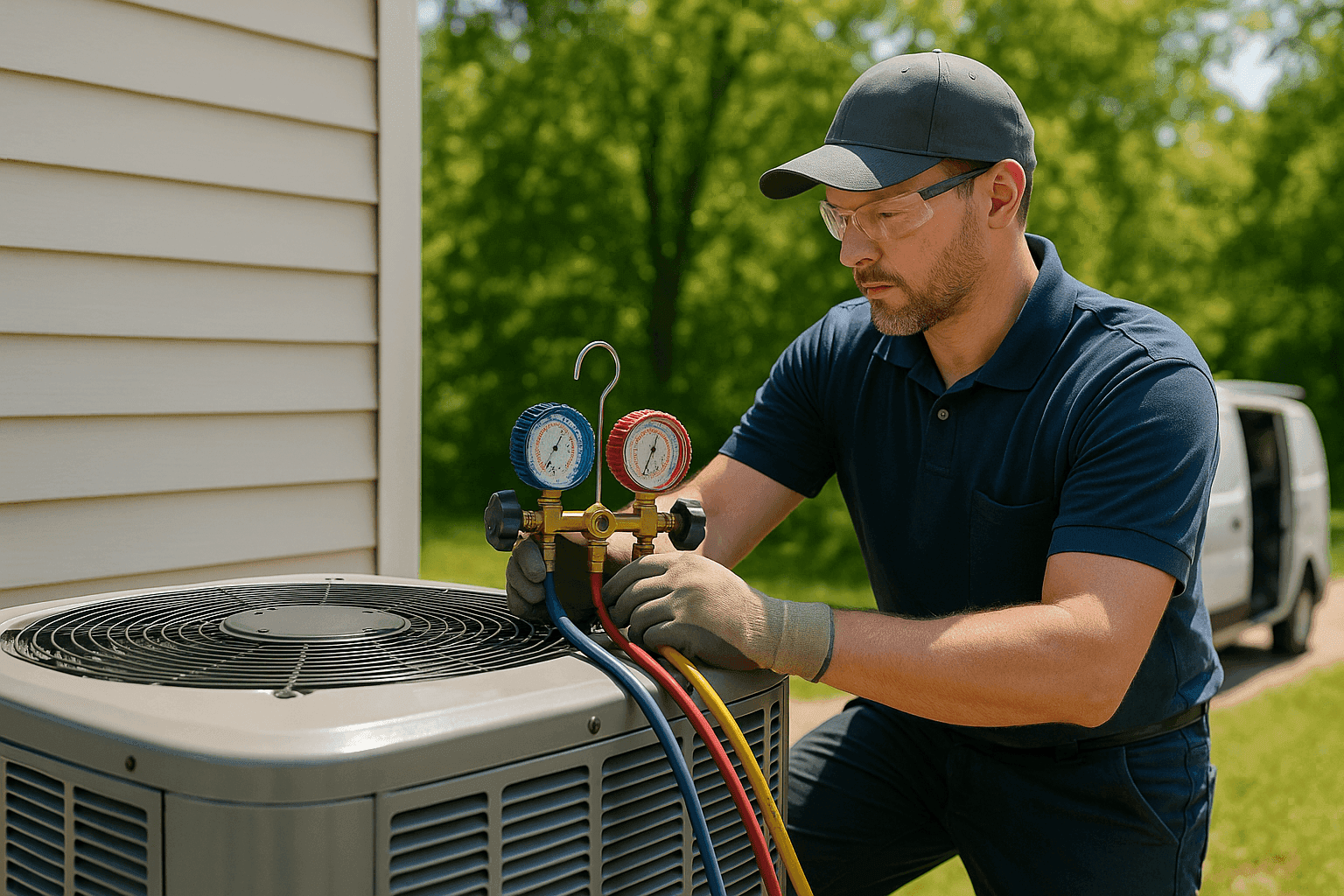
When the forecast calls for relentless summer heat, your home or business can feel like an oven left on broil. The last thing anyone wants is a sudden AC meltdown in the middle of a heatwave. At Ash Joe's Cooling & Heating, we know that a little preparation now can save you from sweat, stress, and costly repairs later.
Let’s walk through how you can get your HVAC system ready for the hottest days of the year, keep your cool, and avoid those dreaded emergency hvac calls.
Why Summer Preparation Matters ☀️
Imagine your HVAC system as the heart of your indoor comfort. When summer heatwaves hit, that heart works overtime. If it’s not ready, it can skip a beat—leaving you in the lurch.
The Risks of Skipping Summer Prep
- System Failure: Overworked components are more likely to break down when pushed to their limits.
- Skyrocketing Bills: Dirty filters and neglected parts force your system to use more energy, draining your wallet.
- Poor Air Quality: Dust, pollen, and humidity can make indoor air stuffy and uncomfortable.
- Health Hazards: Excessive heat indoors isn’t just uncomfortable—it can be dangerous, especially for children, older adults, and pets.
According to the U.S. Department of Energy, regular HVAC maintenance can improve efficiency and extend equipment life. Ignoring your system before a heatwave is like heading out on a road trip with a nearly empty tank.
Essential AC Maintenance Tasks
Your air conditioner is your main defense against summer’s swelter. Treat it right, and it’ll return the favor.
1. Change or Clean Air Filters
Think of air filters as your system’s lungs. When they’re clogged, breathing gets tough. Change or clean them every 1–3 months, especially before summer. This simple step boosts airflow, reduces strain, and helps keep indoor air fresh.
2. Clean the Coils
Both the evaporator and condenser coils collect dirt over time. Dirty coils can’t transfer heat properly, making your AC work harder. Gently clean them with a soft brush or vacuum. For stubborn grime, a professional cleaning might be needed.
3. Check Refrigerant Levels
Low refrigerant is like running a marathon with no water. Not only does it reduce cooling power, but it can also damage your compressor. If you notice ice on the lines or warm air blowing, call a pro to check and recharge the refrigerant—handling refrigerants requires EPA certification for safety.
4. Calibrate the Thermostat
A miscalibrated thermostat can turn your home into a sauna or an icebox. Test it with a separate thermometer. If it’s off, recalibrate or consider upgrading to a programmable or smart thermostat for better control and efficiency.
5. Inspect and Clear the Drain Line
A clogged condensate drain can cause water leaks and even damage your system. Pour a cup of vinegar down the line to clear minor blockages, or have a technician inspect it during your maintenance visit.
Preventive Measures for HVAC Longevity
A little prevention goes a long way toward keeping your cool.
Duct Sealing
Leaky ducts are like holes in a bucket—cooled air escapes before it ever reaches you. Sealing ducts with mastic or metal tape improves efficiency and comfort. The U.S. Environmental Protection Agency (EPA) recommends professional duct sealing for best results.
Air Balancing
Ever notice some rooms are icy while others feel like a sauna? Air balancing ensures every room gets the right amount of cool air. Adjust vents, dampers, and fans to even out airflow. If problems persist, a professional can perform a detailed air balancing assessment.
Ventilation Improvements
Stale air is a recipe for discomfort and poor health. Make sure your home or office has adequate ventilation. Use exhaust fans in kitchens and bathrooms, and consider energy recovery ventilators for improved indoor air quality.
Regular Filter Changes
Don’t wait for filters to turn gray or black. Set a reminder to check and replace them regularly, especially if you have pets or allergies.
Emergency Preparedness for Unexpected Breakdowns 🚨
Even with the best prep, things can go sideways fast. Summer heatwaves are notorious for pushing systems past their breaking point.
Be Ready for Anything
- Know Your System: Familiarize yourself with the basics—where the breaker is, how to reset the thermostat, and how to change filters.
- Keep Emergency Numbers Handy: Save Ash Joe's Cooling & Heating in your phone for fast access to emergency hvac service.
- Have Portable Fans Available: These can buy you time and comfort while waiting for repairs.
- Recognize Warning Signs: Unusual noises, weak airflow, or warm air mean trouble is brewing.
Troubleshooting Common Summer HVAC Issues
- AC Won’t Turn On: Check the breaker and thermostat batteries.
- Poor Cooling: Inspect filters, check for blocked vents, and listen for strange sounds.
- Water Leaks: Look for clogged drain lines or frozen coils.
- Strange Smells: Musty odors often point to mold or mildew in the system—don’t ignore them.
If quick fixes don’t solve the problem, call a professional. Attempting major repairs yourself can be dangerous and may void manufacturer warranties.
Quick Safety Checklist
Before you dive into any maintenance, keep safety in the front seat:
- Turn off power to the HVAC unit before inspecting or cleaning.
- Wear gloves and eye protection when handling filters or chemicals.
- Never attempt to open sealed refrigerant lines—leave that to certified technicians.
- Keep outdoor units free of debris, leaves, and overgrown plants.
- Double-check that all panels and covers are securely reattached after maintenance.
Following guidelines from the Occupational Safety and Health Administration (OSHA) and American Society of Heating, Refrigerating and Air-Conditioning Engineers (ASHRAE) helps ensure safe practices.
DIY vs. Call a Pro
Some tasks are perfect for a Saturday morning. Others are best left to the pros.
What You Can Do Yourself
- Change or clean air filters
- Clear debris from around outdoor units
- Check thermostat settings
- Pour vinegar down the drain line
When to Call Ash Joe's Cooling & Heating
- Refrigerant checks and recharges
- Electrical issues or tripped breakers
- Deep coil cleaning
- Duct sealing and air balancing
- Emergency hvac repairs
Remember, working with high-voltage equipment or refrigerants without proper training can be risky. When in doubt, don’t sweat it—call a professional.
What Pros Do On Arrival
When you schedule a summer prep visit, here’s what you can expect from a seasoned technician:
- Inspect and test all system components
- Clean coils, fans, and drain lines
- Measure refrigerant levels and check for leaks
- Test thermostat accuracy and recalibrate if needed
- Evaluate ductwork for leaks or blockages
- Assess overall system performance and efficiency
Technicians follow industry standards such as those set by ASHRAE and the International Code Council (ICC) to ensure safe, efficient operation.
Prevention & Maintenance
The secret to avoiding emergency hvac calls? Consistent, seasonal maintenance.
Set a Schedule
- Spring: Full system check before summer heat arrives
- Mid-Summer: Quick filter check and coil inspection
- Fall: Prep for heating season
Upgrade for Efficiency
Consider upgrades like programmable thermostats, high-efficiency filters, or even a whole-house fan for better air movement.
Keep It Clean
Dust and debris are the enemy of efficiency. Regularly clean around indoor and outdoor units.
Monitor Indoor Air Quality
Humidity and airborne particles spike in summer. Use dehumidifiers and air scrubbers to keep air fresh and comfortable.
Costs & Time Factors
No one likes surprises—especially on the bill.
- Basic Maintenance: Typically takes 1–2 hours for a thorough inspection and tune-up.
- Parts Replacement: Swapping out filters or thermostats is quick and affordable. Coil cleaning or refrigerant top-offs may take longer and cost more.
- Emergency Repairs: These can take several hours, especially if major parts are needed.
Investing in routine maintenance is almost always less expensive than waiting for a breakdown during a heatwave. The Department of Energy reports that well-maintained systems can save up to 15% on cooling costs.
When It’s an Emergency
Sometimes, the heat is relentless and your system just can’t keep up. Here’s when to call for emergency hvac service:
- The system won’t turn on and temperatures are rising fast
- Electrical burning smells or sparks
- Water is leaking rapidly from the unit
- Loud banging, screeching, or grinding noises
- Vulnerable occupants (young children, elderly, pets) are at risk from extreme heat
Don’t wait until it’s too late. Fast action can prevent further damage and keep everyone safe.
FAQ
How often should I schedule HVAC maintenance?
At least once a year for a full inspection, ideally before summer. Filters should be checked monthly during peak use.
Can I use my AC if the filter is dirty?
You can, but it’s like running a marathon with a cloth over your mouth. It strains the system and reduces efficiency. Replace dirty filters promptly.
What’s the best thermostat setting for summer?
The U.S. Department of Energy suggests 78°F (26°C) when you’re home and higher when you’re away. Programmable thermostats make this easy.
Is it safe to DIY refrigerant checks?
No. Refrigerant handling requires EPA certification. Call a professional for any refrigerant-related issues.
Special Considerations for This Service
- Older Systems: Units over 10–15 years old may need more frequent checks or replacement parts.
- Allergy Concerns: High-quality filters and regular duct cleaning improve air quality.
- Business Owners: Commercial systems often require additional checks for ventilation, exhaust, and air balancing.
- Home Upgrades: Adding insulation or sealing windows can help your HVAC system work less and last longer.
A cool, comfortable summer starts with a well-prepared HVAC system. Don’t wait for the first heatwave to test your luck.
Call Ash Joe's Cooling & Heating now — or reach us anytime at 888-854-9575 .