How to Prepare Your HVAC System for Winter Storms and Freezes
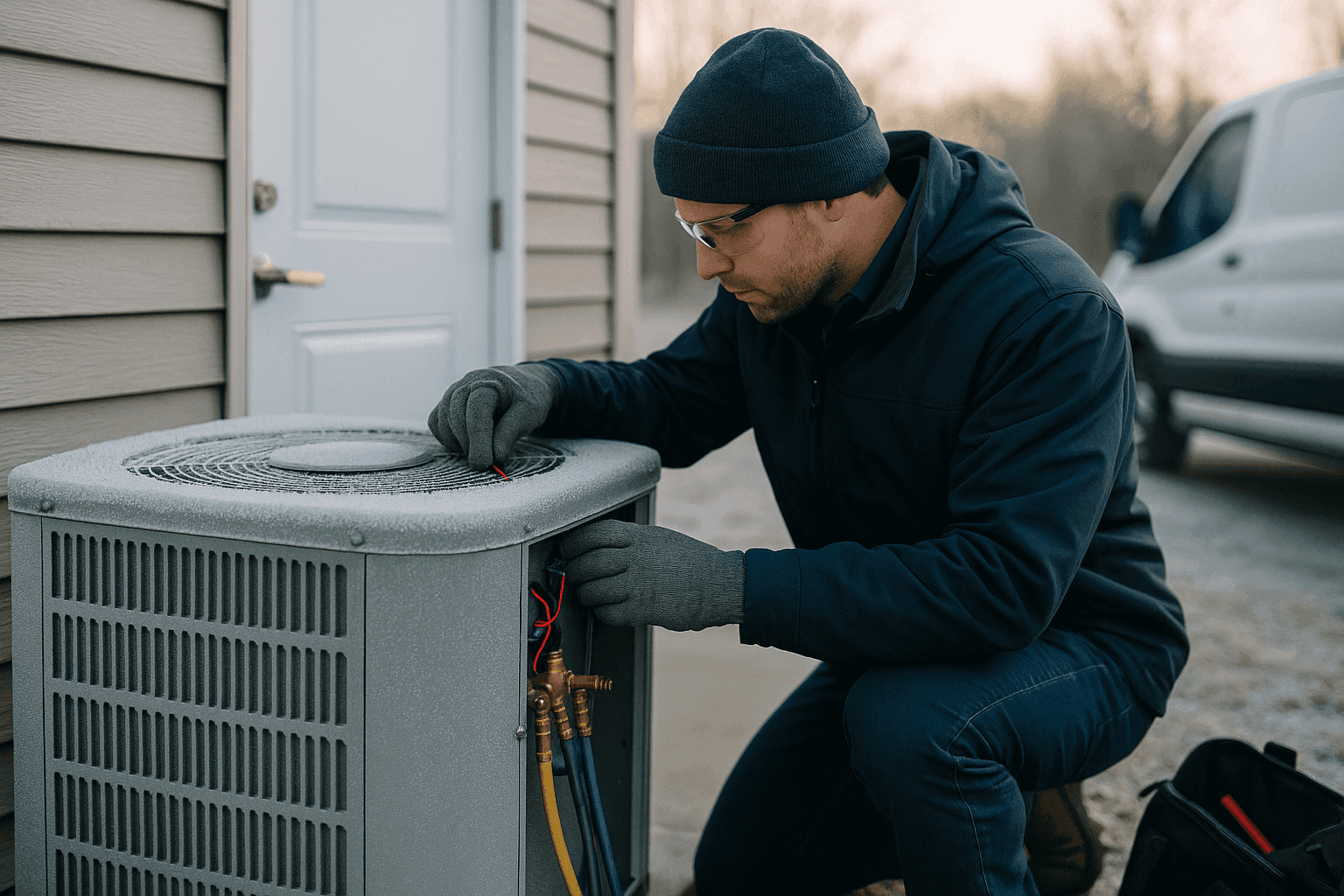
When icy winds start howling and snow piles up outside, the last thing you want is a heating system that stops working. Winter storms and deep freezes can push your HVAC to its limits—sometimes right when you need it most.
At Ash Joe's Cooling & Heating, we know just how quickly a minor issue can turn into an emergency. With decades of experience, we’re here to help you weather any storm, keep your space cozy, and avoid those all-too-common winter breakdowns.
Why Winter Preparation Matters ❄️
Think of your HVAC system as the heart of your home or business during winter. When a storm hits, that heart works overtime to keep you warm and safe. But just like a car, your HVAC needs a little extra attention before the tough season sets in.
Neglecting winter prep can lead to:
- Sudden breakdowns during freezing nights
- Skyrocketing energy bills as your system struggles
- Poor indoor air quality when you’re stuck inside
- Costly emergency hvac repairs
According to the Air Conditioning Contractors of America (ACCA), regular maintenance can extend your system’s life, improve efficiency, and prevent most cold-weather failures. The National Fire Protection Association (NFPA) also warns that poorly maintained heating equipment is a leading cause of home fires in winter.
Essential HVAC Maintenance Tasks Before Winter
Before the first frost, roll up your sleeves or schedule a professional checkup. Here’s what should be on your winter prep list:
1. Replace or Clean Filters
A clogged filter is like trying to breathe through a scarf. It makes your system work harder and can choke off the warm air you need. The U.S. Department of Energy recommends checking filters monthly in winter and replacing them at least every three months—or sooner if you have pets or allergies.
2. Inspect and Seal Ducts
Leaky ducts are like holes in your favorite winter coat—warmth escapes, and you’re left shivering. Have your ducts inspected for gaps or loose connections. Sealing them keeps the heat where it belongs and improves air quality.
3. Test Thermostat Settings
Set your thermostat to a comfortable, consistent temperature. Sudden changes force your system to work overtime. Consider upgrading to a programmable or smart thermostat for better control and energy savings.
4. Clean Vents and Registers
Blocked vents can’t deliver heat. Clear away furniture, rugs, or dust that might block airflow. This simple step can make a big difference.
5. Schedule Professional Maintenance
A licensed HVAC technician will check burners, heat exchangers, safety switches, and more. They’ll spot problems before they catch you off guard—like a mechanic giving your car a winter tune-up.
How to Protect Your Furnace and Heating Systems from Freezing
When temperatures plunge, furnaces and pipes are at risk. Here’s how to keep your system safe from the deep freeze:
- Insulate Exposed Pipes: Wrap pipes connected to your HVAC or boiler with foam insulation. This helps prevent freezing and bursting.
- Keep the Area Clear: Don’t stack boxes or clutter around your furnace. Good airflow prevents overheating and fire hazards.
- Check Exhaust and Intake Pipes: Make sure snow or ice isn’t blocking outdoor vents. Blockages can cause dangerous carbon monoxide buildup.
- Use a Generator for Backup Power: Power outages during storms are common. A standby generator can keep your HVAC running and your pipes from freezing.
The U.S. Environmental Protection Agency (EPA) recommends regular checks of carbon monoxide detectors, especially if you use gas or oil heating systems.
Emergency Tips During Winter HVAC Failures 🚨
Even with preparation, emergencies can happen. If your heat goes out during a storm:
- Stay Calm: Don’t panic. Most issues can be fixed quickly by an emergency hvac professional.
- Close Curtains and Doors: Trap heat in by closing off unused rooms and using heavy curtains.
- Layer Up: Dress in warm clothing and use blankets.
- Avoid Using Ovens or Grills Indoors: These can produce dangerous fumes.
- Call for 24/7 Emergency Service: Ash Joe’s Cooling & Heating is always ready to help, day or night.
If you suspect a gas leak or smell something odd, leave the building immediately and call emergency services.
Quick Winter HVAC Safety Checklist
- [ ] Change or clean HVAC filters
- [ ] Inspect and seal ductwork
- [ ] Test thermostat and replace batteries
- [ ] Clear vents and registers
- [ ] Schedule a professional maintenance visit
- [ ] Insulate exposed pipes
- [ ] Check carbon monoxide detectors
- [ ] Make sure outdoor vents are clear
- [ ] Check backup power sources (generators)
Preventing Costly Breakdowns: Proactive Maintenance
A little effort now can save you from big headaches later. Think of maintenance like brushing your teeth—it’s much easier (and cheaper) than dealing with a cavity.
- Regular Tune-Ups: Schedule at least one professional maintenance visit before winter.
- Filter Changes: Mark your calendar or set reminders to check filters monthly.
- Duct Cleaning: Dust and debris can build up over time, reducing air quality and efficiency.
- Monitor System Performance: If you notice strange noises, odd smells, or uneven heating, call a pro before it becomes an emergency.
Backup Power: Why Generators Matter
Winter storms often knock out power. Without electricity, even the best heating system can’t run. A professionally installed generator keeps your HVAC, lights, and essentials running until the grid comes back.
- Standby Generators: Automatically kick in when the power drops.
- Portable Generators: Good for short-term use but must be used outdoors to avoid carbon monoxide.
- Maintenance: Run your generator monthly and keep fuel fresh.
The National Electrical Code (NEC) outlines safety requirements for generator installations—always use a qualified technician.
Maintaining Indoor Air Quality in Winter
When windows are sealed tight, indoor air can get stuffy. Dust, pet dander, and even viruses can circulate more during winter.
- Use High-Quality Filters: HEPA or electrostatic filters trap smaller particles.
- Consider Air Scrubbers or Purifiers: These devices can help reduce airborne contaminants.
- Humidity Control: Dry air can make you uncomfortable and damage woodwork. Humidifiers keep moisture balanced.
- Ventilation: Make sure your HVAC system brings in enough fresh air. Ask about energy recovery ventilators (ERVs) for efficiency.
The American Society of Heating, Refrigerating and Air-Conditioning Engineers (ASHRAE) recommends maintaining at least 30–50% indoor humidity for comfort and health.
What to Do if Your Furnace Freezes or Stops Working
- Check the Thermostat: Make sure it’s set to heat and the batteries aren’t dead.
- Inspect the Circuit Breaker: Sometimes, a simple reset solves the issue.
- Look for Error Codes: Modern furnaces often flash codes—note them for your technician.
- Don’t Try DIY Repairs: Complex systems can be dangerous. Call for emergency hvac help.
Frequently Asked Questions
How often should I change my HVAC filter in winter?
Check it monthly and change at least every 90 days. More often if you have pets, allergies, or run your system a lot.
Can I run my furnace with a portable generator?
Only if your generator is rated for the load and installed safely. Never run generators indoors due to carbon monoxide risk.
What’s the best thermostat setting for winter?
Most people are comfortable between 68–72°F. Lowering the temperature when you’re away saves energy.
How do I know if my ducts are leaking?
Signs include uneven heating, whistling noises, and higher energy bills. A professional can test and seal ducts as needed.
Special Considerations for Homeowners and Small Businesses
- Commercial Spaces: Larger systems may need more frequent checks, especially if foot traffic is high.
- Older Homes: Outdated wiring or insulation can affect HVAC performance. Upgrades may be needed for safety and efficiency.
- Sensitive Equipment: If you have computers, medical devices, or inventory that can’t freeze, consider additional backup systems.
Peace of Mind, All Winter Long
Winter storms don’t wait for a convenient moment. But with a little planning, you can keep your home or business warm, safe, and comfortable—no matter what the weather brings.
Call Ash Joe's Cooling & Heating now — or reach us anytime at 888-854-9575 .